Home energy
Solar, batteries and hot water: why the settings matter as much as the hardware
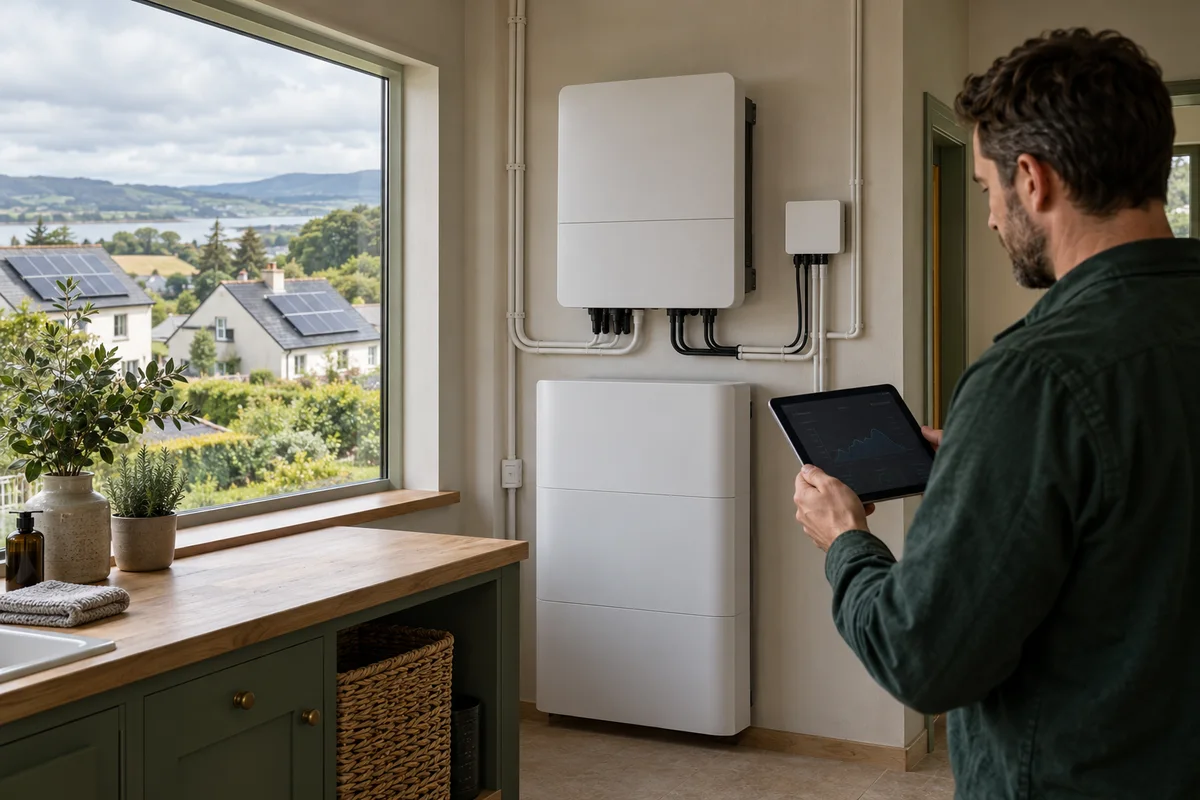
The panels are generating. The battery is connected. The immersion has a timer. But are they working towards the same outcome? For installers, that question sits behind a growing part of the customer relationship.
September 2026 focus · Published 22 October 2026
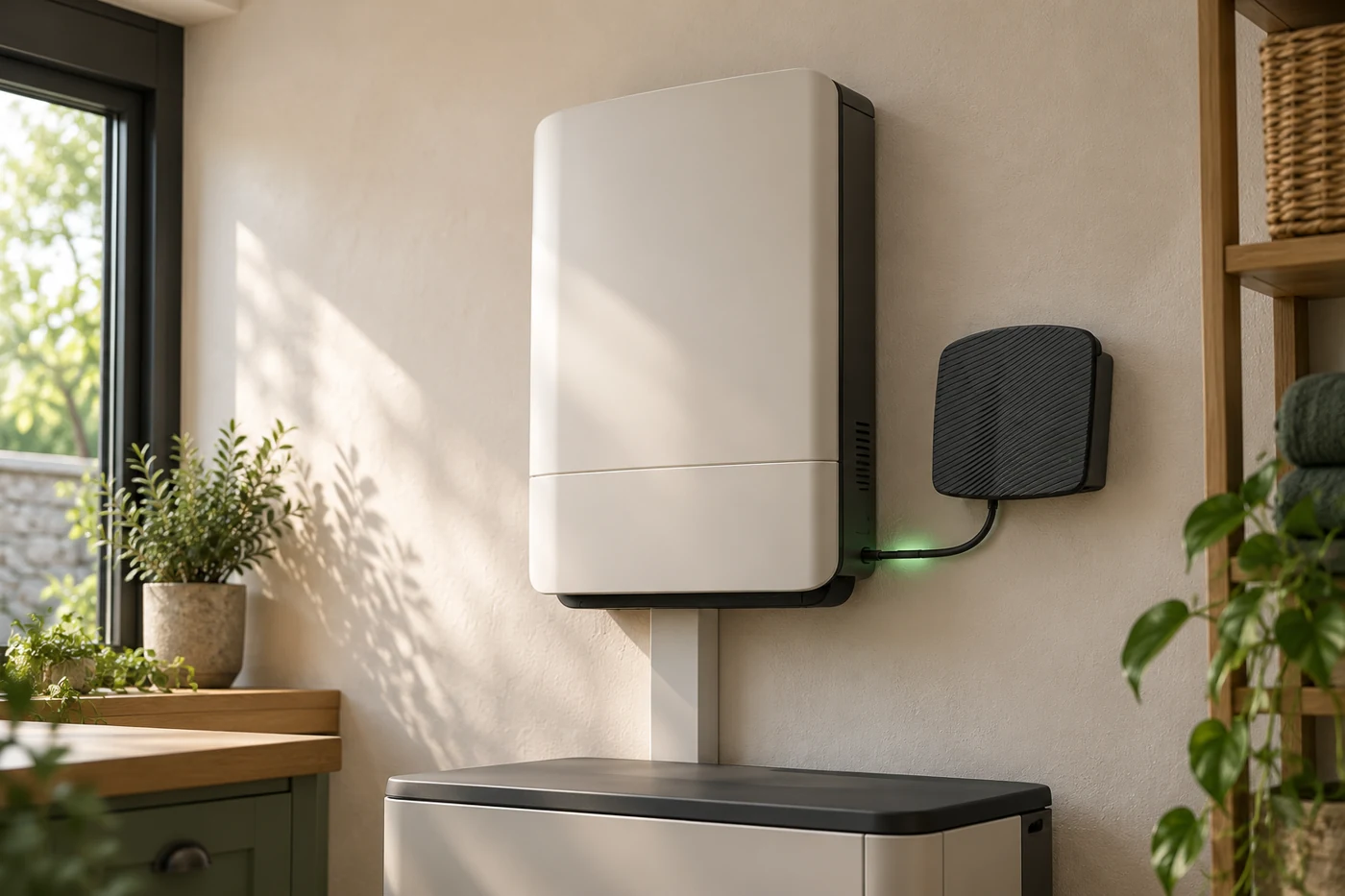
The opportunity is not to give homeowners more settings. It is to make supported equipment work together, keep the setup appropriate and provide a clear route to help.
A good system can still have a poor routine
A homeowner does not buy a battery because they want to manage charge windows. They want a home that makes better use of energy, sensible bills and someone to turn to when something looks wrong. Yet the daily experience can depend on settings spread across an inverter app, a hot-water timer and an electricity account.
Each component might be working correctly on its own. The problem is how they work together. A battery could be full before a sunny afternoon. Water heating could be scheduled without reference to available generation. An old tariff setting could remain in place after the customer switches supplier. None of those situations necessarily means the installation is faulty. They mean the operating setup deserves attention.
September is a useful reminder: the home keeps changing
SEAI’s homeowner guide says around 75% of Irish solar generation occurs from May to September. That seasonal pattern matters. A routine suited to long summer days should not simply be assumed to suit darker evenings. The same home may also have a new working pattern, an electric car or different hot-water demand.
There is a shorter rhythm too. SEAI identifies 5pm to 7pm as the main weekday electricity-demand peak. That does not mean every customer has the same expensive window: their actual tariff matters. The practical job is to connect the home’s requirements, equipment and current prices, rather than apply a generic schedule to every installation. Read SEAI’s explanation of flexible demand.

Use it, store it or export it? There is no universal answer
Surplus generation creates a choice. Electricity can serve a load now, go into a compatible battery, heat suitable stored water, or be exported within the installation’s connection arrangements. The useful choice depends on what that home will need and what each option is worth.
Using every spare unit at home is not automatically the lowest-cost outcome. Export has a value. So does avoiding a later import. Battery charging and discharging involve losses and equipment limits; heating water that will not be needed can create unnecessary heat loss. A sensible operating plan considers those trade-offs without asking the homeowner to calculate them every day.
This is why a headline savings percentage tells only part of the story. The meaningful test is the measured outcome for that home, allowing for its tariff, export payments, service cost and equipment use. A larger self-consumption figure alone does not settle that question.
Automatic should mean less work for the customer
Connected energy management can bring supported settings together and use observed demand to improve routines over time. Learning when hot water is normally needed, for example, can inform when a compatible electric cylinder heats. Supported battery controls can respond to agreed operating priorities rather than rely indefinitely on the original schedule.
The homeowner should still understand what is being managed, which preferences matter and how to ask for a change. Automatic operation needs clear permissions, appropriate overrides and safety limits. It should not quietly become permission to trade household flexibility or use household data for unrelated purposes.
The CRU explains that smart meters record electricity use in 30-minute intervals. That provides useful context for understanding consumption and reviewing tariffs, subject to the relevant access permissions. It is not the same as a live equipment-control connection, and it does not by itself make an inverter or immersion controllable. See the CRU’s smart-meter guidance.
The right connection depends on the home
Some installations suit a physical controller connected to supported equipment. Others may use an authorised manufacturer API. Monitoring access and control access are different capabilities. A brand name on a compatibility list is a starting point, not confirmation that every model, firmware version or installation arrangement supports the same functions.
Hot water needs its own assessment. A compatible electric cylinder is not interchangeable with every heat pump, boiler or existing diverter. Safe temperature control, wiring, existing controls and connectivity need to be understood before enabling automation. One clear control strategy also avoids competing schedules between a manufacturer’s smart features and another service.
Someone needs to own what happens afterwards
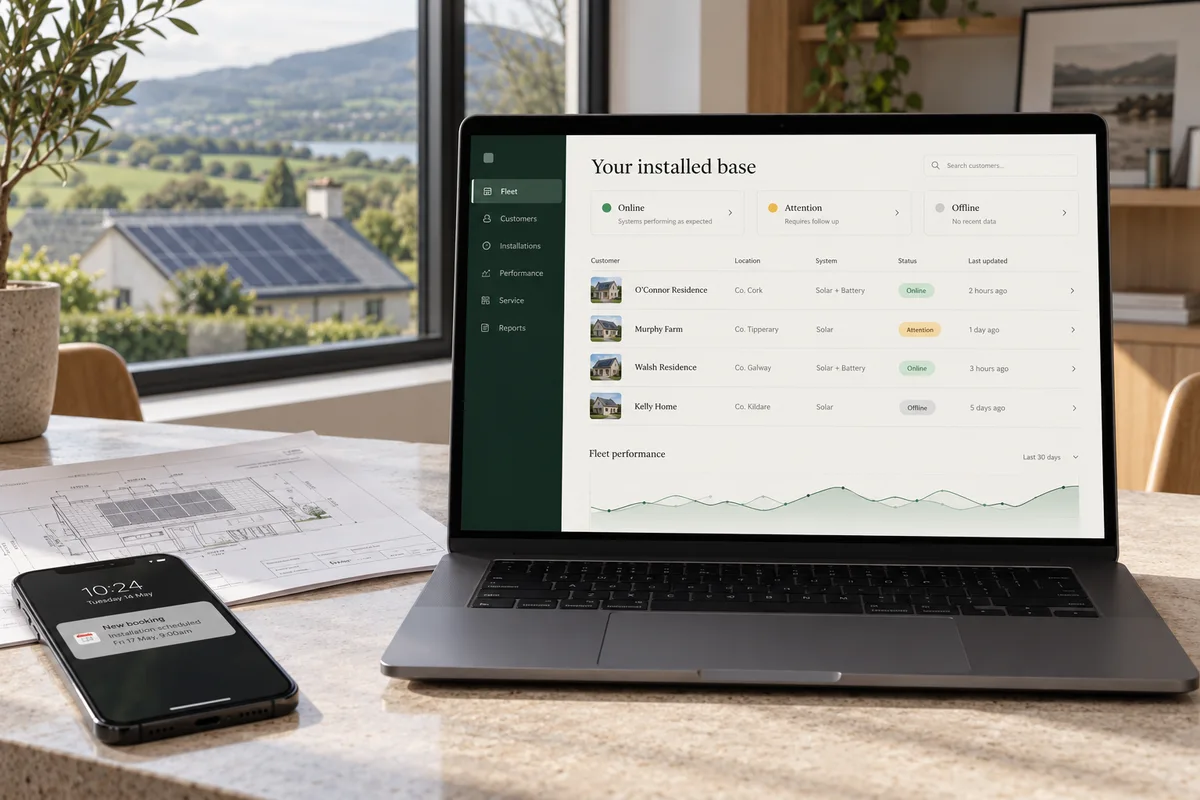
For installers, the opportunity extends beyond another smart feature at the point of sale. It is an ongoing customer experience: a proper start, a supported setup, review when circumstances change, and help when connectivity or performance raises a question.
That is the service behind Vardane. The installer keeps the customer relationship; the agreed service brings supported energy management and managed operations behind it. Equipment compatibility, enabled features and responsibilities are confirmed before rollout.
The aim is straightforward: a home that is easier to live with, and a more capable energy offering for installers without making their team run every part of it in-house. Good hardware starts the journey. Good operation keeps it useful.
Sources & context
Checked for this article on 22 October 2026. Figures retain their original reporting periods. Service availability depends on agreed scope and compatible equipment.
- SEAI: A Homeowner’s Guide to Solar PV
Seasonal generation guidance and explanation of storage and export. Accessed 22 October 2026. Figures are general guidance, not an individual system forecast.
- SEAI: Electricity, flexible demand and peak load
Published 26 February 2025. Identifies the main weekday demand peak as 5pm to 7pm. System demand is distinct from a household’s tariff.
- CRU: Smart meters and services
Smart-meter interval data, time-of-use services and permission for supplier access. Accessed 22 October 2026.
Useful to your team?
PUT THE THINKING TO WORK
More behind every installation.
Connected home energy, automatic optimisation and managed support, under your brand. Talk to us about where Vardane could help your business.
Become a Vardane installer