Connected service
A smart inverter is only one part of a connected service
Your inverter may already be intelligent. The bigger question is who turns that intelligence into a reliable service for the homeowner, across the equipment you install and the homes you already support.
October 2026 focus · Published 22 October 2026
Equipment intelligence creates possibilities. A connected service turns supported data and controls into an ongoing customer experience, with clear ownership when a person or a technician is needed.
Start with what the equipment can already do.
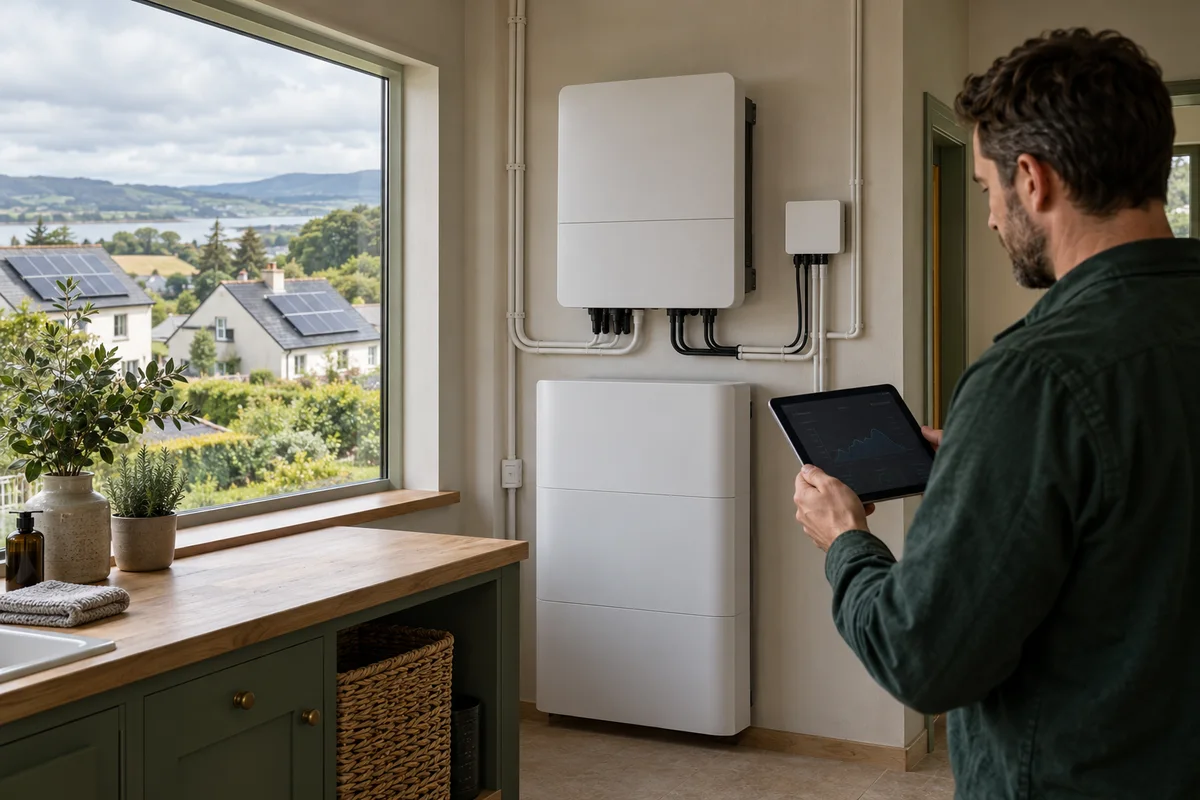
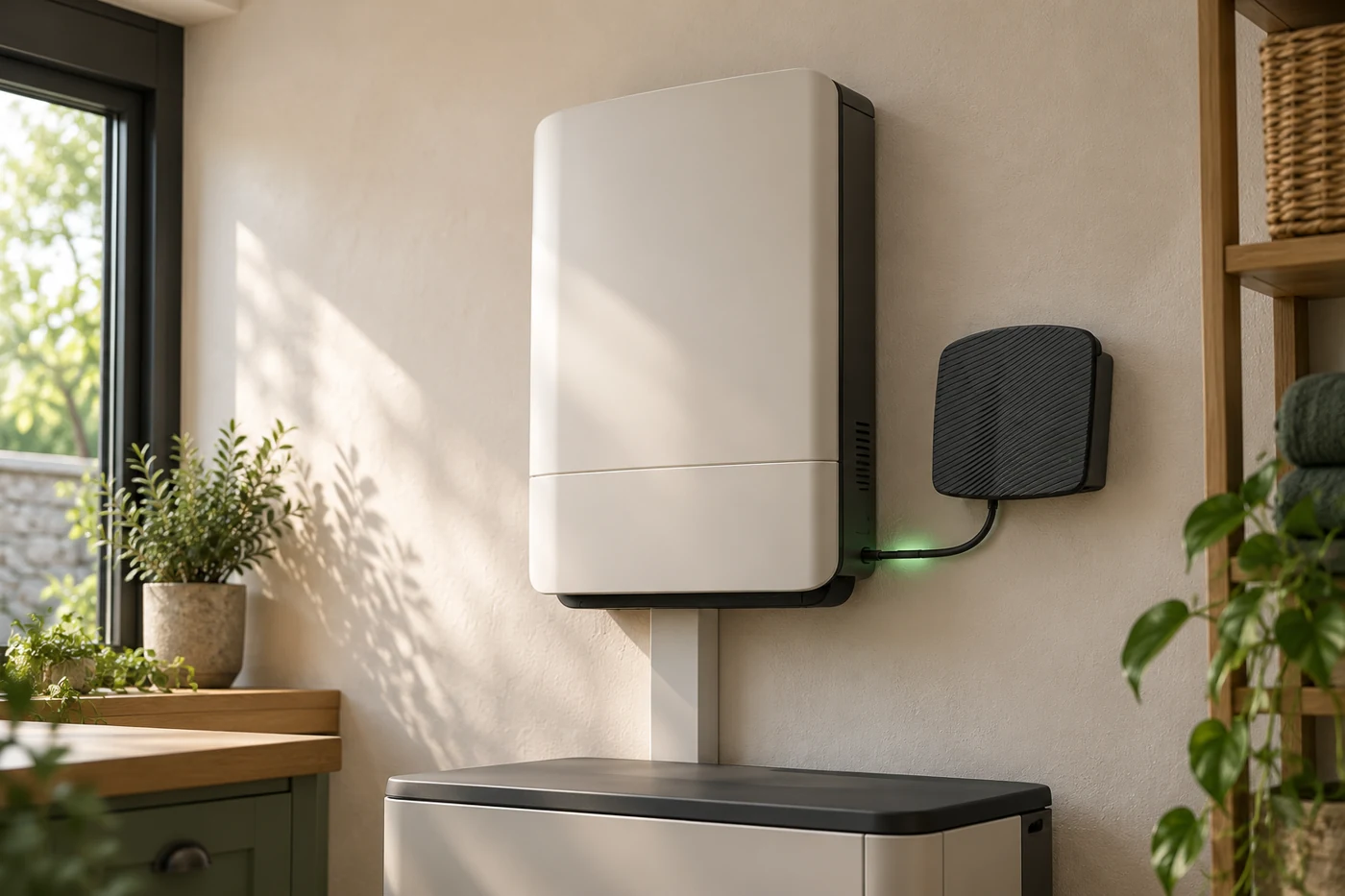
Modern solar and battery systems can offer impressive features: remote monitoring, charging schedules, operating modes and manufacturer-led optimisation. Installers do not need another service to pretend those features do not exist. They need an offer that makes them easier to deliver and look after.
The gap appears when the homeowner needs an answer, a setting no longer suits the tariff or a fault needs someone to follow it through. Even a capable inverter cannot organise its own warranty case, explain an unfamiliar bill or book a qualified technician.
As an installer, you hold the relationship. A connected service puts an ongoing operation behind it, so the customer gets more than equipment and a login.
Seeing, controlling and taking responsibility are different jobs.
These three layers are often described as if they were the same feature. Separating them makes the offer clearer and prevents disappointment.
- Monitoring shows what the available data says. It can reveal stale readings, unusual behaviour or a change worth investigating.
- Control changes supported settings or operating behaviour, within the equipment’s limits and the permissions agreed with the homeowner.
- Case ownership takes an issue from the first report through investigation, communication and the right resolution or escalation.

Use the right connection for the job.
The CRU explains that smart meters collect electricity-use data in 30-minute intervals. That is useful for understanding consumption and assessing tariffs. It is different from knowing what a particular inverter is doing now, and it does not grant permission to change battery settings.
A direct hardware connection can provide supported equipment information and control. An authorised manufacturer API can be useful where the model, access permissions and available functions make it appropriate. Different routes can deliver different update rates, data fields and commands.
Neither route means universal compatibility. The inverter model, firmware, battery arrangement, water-heating system and existing controls all matter. Internet connectivity also remains relevant. Before enrolling a home, the service needs to confirm what can be read, what can be controlled and what happens if the connection is interrupted.
The aim is a joined-up experience across supported brands. It is not a promise that every old or new product exposes the same capabilities.
Make energy management useful in an ordinary home.
The homeowner should not have to become an energy analyst to benefit from solar, storage or compatible hot-water control. Good onboarding establishes the equipment, tariff, household needs and permitted operating limits. Supported optimisation can then work within that setup as routines and conditions change.
That can mean coordinating when energy is stored or used, reviewing a tariff change and investigating unexpected behaviour. The actual choices depend on the installed system and supported controls. Savings depend on the home, weather, prices and usage; a controller does not create extra generation or battery capacity.
This is where energy management and customer operations belong together. If the plan is not working as expected, someone needs to establish why and explain the next step.
A clear handover makes ongoing care possible.
A service can only support a home properly if it starts with the right record. That includes equipment details, commissioning information, access permissions, useful photographs and the homeowner’s agreed service scope.
SEAI’s Domestic Solar PV Code of Practice, version 3.0 dated 6 October 2026, includes requirements for documented commissioning and homeowner handover information, including equipment datasheets, warranties, operating instructions and an estimate of performance. Those records are useful throughout the life of the system, not only at completion.
Vardane Verified is our proposed service-readiness mark: a clear handover into agreed ongoing care. It records that the supported setup and information have been reviewed for that service. It does not replace electrical sign-off, SEAI requirements, the installer’s responsibilities or manufacturer warranties. It is not insurance or a guarantee against faults.
Send the technician a diagnosis, not a mystery.
Some enquiries can be resolved with an explanation or safe remote support. Others need a manufacturer response. Physical faults may need a qualified person on site. A connected service should distinguish those routes without treating every alert as a repair or every fault as something software can fix.
When attendance is needed, the technician should receive the booking, equipment details, findings so far and relevant photographs. Their field record should capture what was done, what remains and whether the customer has been updated.
Warranty administration belongs in that workflow: gathering evidence, coordinating with the relevant supplier and tracking the outcome. Handling the paperwork does not mean every repair, part or visit is covered. Cover and charges follow the applicable warranty and agreed service terms.
Use performance information to start a useful conversation.
Comparing actual generation with an appropriate estimate can flag a system worth reviewing. First check data quality, weather, shading, availability and the original design. A gap may indicate a fault or an unrealistic baseline rather than an opportunity to sell more panels.
Where the home could benefit from an upgrade, the installer can assess the evidence, design options and economics. That might involve extra generation, storage or a different control approach. It needs a proper assessment, not an automatic recommendation to add three panels.
One relationship, with an operation behind it.
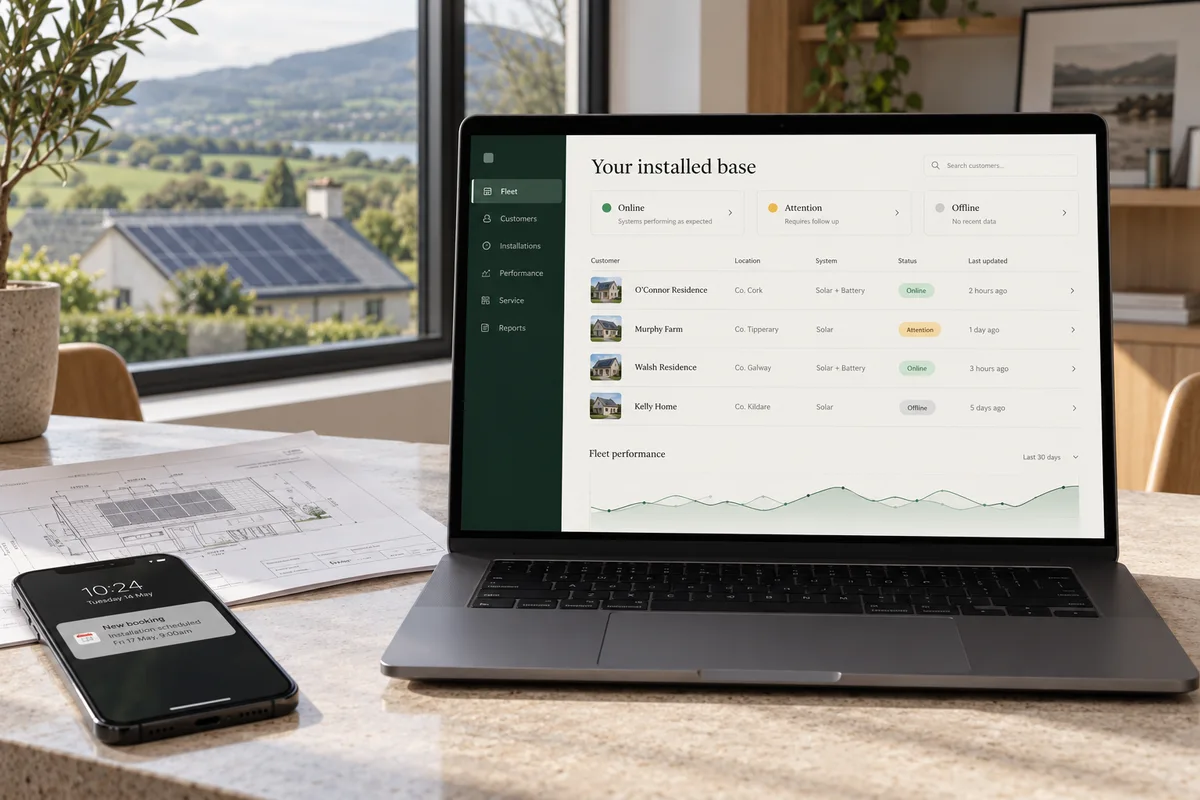
Vardane’s Irish launch brings these layers into one installer-led offer: connected home energy, supported optimisation and managed customer operations under your brand. The homeowner has a place to get help. Your team has clearer fleet information and better-prepared technical work.
We are selecting a small initial group of installer partners. Compatibility, responsibilities, package and rollout are agreed before homes are enrolled. Technology and commercial arrangements need to be in place for the deployment concerned.
If that fits the service you want to offer your customers, explore the installer offer and discuss your equipment mix and installed base with us.
Sources & context
Checked for this article on 22 October 2026. Figures retain their original reporting periods. Service availability depends on agreed scope and compatible equipment.
- CRU: Smart meters and services
Checked 22 October 2026. Describes 30-minute electricity-use data and time-of-use tariffs; does not establish inverter control capabilities.
- SEAI: Domestic Solar Photovoltaic Code of Practice for Installers, V3.0
Dated 6 October 2026. See sections 4.11 and 5 for commissioning, handover and records. Vardane Verified is separate from this regulatory and scheme framework.
Useful to your team?
PUT THE THINKING TO WORK
More behind every installation.
Connected home energy, automatic optimisation and managed support, under your brand. Talk to us about where Vardane could help your business.
Become a Vardane installer